
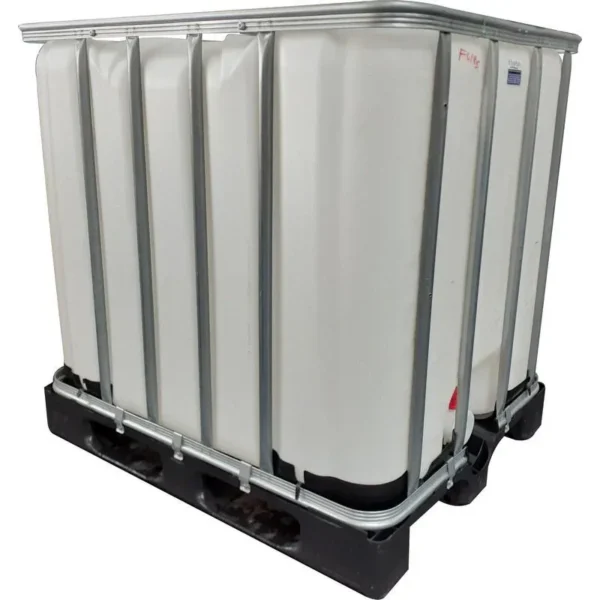
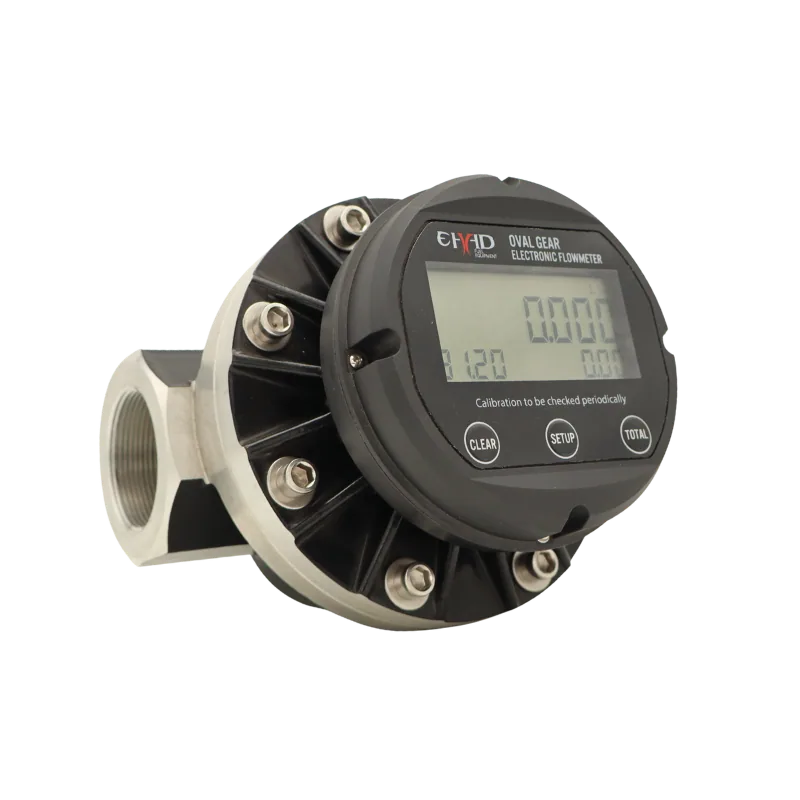
Quick answer: A fuel flowmeter on every outlet records each litre that leaves your tank. Compare the meter total with tank dips and delivery slips each week, and any gap shows where diesel is going. Add locked tanks, a controlled key or preset meter, and a simple log of who drew fuel for which machine. A mechanical or electronic meter costs from about R1,800 to R5,000 for typical farm and fleet use.
Where does diesel usually go missing?
Thieves take the easy route. On a farm that is a tractor left in the field overnight, a tank with an open filler neck, or a pump with the key left in the box. At depots and mines the weak point is usually paperwork: drivers fill up, sign a slip, and nobody checks the slip against the tank. Either way, a meter, a lock and a written draw log close the three most common gaps in one afternoon.
Remember that not every loss is theft. Leaking hoses, loose fittings, evaporation of spills and wrong readings from a tank dipstick all show up as missing diesel. A meter helps you separate honest losses from dishonest ones, so you fix the right problem.
How big is the diesel theft problem in South Africa?
Nobody has an exact national number. A 2024 Farmer’s Weekly report quotes TLU SA as saying illegal diesel trading is growing, that losses are estimated at millions of rands if not billions every year, and that it is hard to trace because individual sales are small, often 20 to 40 litres. On farms it describes diesel siphoned from tractors and combine harvesters, and sometimes drained from storage tanks.
An industry blog from a South African fleet-solutions company says theft through siphoning and skimming accounts for around 10% of fuel costs in affected operations, and gives an example loss of 25 to 50 litres per vehicle per week. These are unsourced industry estimates, so treat them as a warning rather than a statistic. The pattern is what matters: small, regular losses that hide inside normal usage.
How does a flowmeter help stop theft?
A flowmeter does not physically stop anyone. It makes theft visible. When every litre has to pass through a meter, you can match what was dispensed with what the machines should have used, and the difference is the loss.
Industry advice agrees on the basics: reconcile dispensed fuel against recorded fuel, limit access to tanks, and add site security such as lighting, fencing and access control. Telematics help, but they usually flag losses after the fuel is already gone. A meter at the tank is the first line of defence.
Which type of fuel meter should I choose?
| Meter type | Best for | Notes |
|---|---|---|
| Mechanical (4-digit or roller register) | Farms, small workshops | No power, simple, easy to read; reset can be tampered with if unlocked |
| Electronic LCD | Farms and fleets wanting batch and total counts | Needs battery or power |
| Pulse output | Fleet or fuel-management systems | Sends a signal to a controller or logger |
| Preset (12V or 220V) | Controlled issue to a set volume | Operator sets the litres; the pump stops |
| Bulk meter (2 inch and up) | Tanker unloading, depots | High flow, for deliveries and large transfers |
Match the meter to your pump. A meter rated 25 to 250 L/min fits a 100 L/min pump, but one rated for 20 to 120 L/min will struggle on a 300 L/min pump. Fit a fuel filter in front of it, as dirt damages meter internals and throws readings off.
What other controls stop diesel theft?
- Lock the tank and the pump. Use a lockable cap and a lockable cabinet or isolator for the pump.
- Control the keys. One or two named people, not the whole yard.
- Log every draw. Date, machine, litres, operator, hour meter or odometer.
- Dip the tank weekly. Compare the dip with the meter and delivery records.
- Secure vehicle tanks. Locking caps and anti-siphon devices make casual siphoning harder.
- Light and watch the site. Theft happens mostly out of hours.
- Report suspected theft to the SAPS. Farmer’s Weekly quotes TLU SA advising exactly that.
A tank with a bund and good housekeeping is easier to monitor too. See our guide to diesel storage regulations in South Africa for site rules.
Worked example: how a meter exposes a 400 litre gap
A farm in the Free State starts the month with 5,000 L in its tank. A delivery adds 3,000 L, and the end-of-month dip shows 2,000 L. That means 6,000 L left the tank (5,000 + 3,000 – 2,000).
The meter on the outlet recorded 5,600 L dispensed. The gap is 400 L, or about 6.7% of what left the tank. That could be a leak, a faulty meter, a missed log entry or theft, but now you know to look. Without a meter, the 400 L simply disappears into running costs.
Put a rand figure on it. Using an assumed R25 a litre (use your own price), five vehicles losing 25 L a week each, the lower end of the industry example above, is 6,500 L a year, or R162,500. Even a fraction of that pays for a meter many times over. And diesel is not getting cheaper: BusinessTech reported that wholesale 50 ppm diesel rose by R2.84 a litre on 7 October 2026.
How do I set up a simple weekly fuel check?
You do not need software. Use a notebook or a spreadsheet and do the same five steps every Monday morning.
- Dip the tank and write down the litres.
- Record the meter total.
- Add any deliveries received, from the delivery slips.
- Calculate: opening stock plus deliveries minus closing stock.
- Compare the answer with the meter. A small difference is normal; a growing one is not.
Keep the sheet in the office, not at the tank, and have a second person sign it off. Honest staff will not mind, and it quietly discourages the rest.
How much does a fuel flowmeter cost in 2026?
Kamano prices, VAT included:
If you do not yet have a tank, a farm tank gravity fuel kit with FM120L meter is R3,733. Browse all flowmeters and diesel bowsers, and read our guide to choosing a diesel transfer pump so the pump and the meter suit each other.
How are flowmeters delivered?
Kamano delivers by its own trucks to all 9 provinces in 1 to 3 business days. Fees by order weight, VAT included, are R550 up to 30 kg, R950 up to 60 kg and R1,450 up to 100 kg. Over 100 kg is quoted. Orders of R20,000 or more get free delivery with coupon code KH027, which does not work below that amount. See the Bloemfontein delivery page as an example, and request a trade quote for fleets. Payment is by EFT.
Buying from outside South Africa?
Kamano’s standard delivery covers South Africa only. Buyers in Botswana, Zimbabwe, Namibia, Mozambique, Eswatini and Lesotho should contact Kamano before ordering to discuss cross-border options. Farmers on those borders often face the same siphoning problem, so a meter and a locked tank are just as relevant.
Sources
- Farmer’s Weekly: diesel worth millions of rands stolen in SA every year
- Industrial Fluid Solutions: diesel theft in South Africa
- Food For Mzansi: diesel thefts hit farmers hard
- BusinessTech: official fuel price changes, October 2026
Frequently asked questions
How does a fuel flowmeter stop diesel theft?
A flowmeter does not block theft on its own, but it records every litre drawn from the tank. When you compare the meter total with tank dips and deliveries, a gap shows where fuel went missing. Add locks and a draw log and theft becomes easy to spot.
What type of diesel flowmeter is best for a farm?
For most farms a mechanical or electronic meter rated for your pump’s flow works well, and costs from about R1,800 to R5,000 at Kamano. Choose a preset or pulse-output meter if you want controlled volumes or to feed a fuel-management system.
How much diesel is usually stolen from farms?
No exact national figure exists. Farmer’s Weekly quotes TLU SA estimating losses of millions of rands, if not billions, each year, often in small amounts of 20 to 40 litres. Small repeated losses add up, which is why regular reconciliation matters.
What should I do if I suspect diesel theft?
Check your meter, tank dips and delivery records to confirm a gap, then lock tanks and restrict keys. Report suspected theft to the SAPS, as TLU SA advises in Farmer’s Weekly. Keep your logs and photos, since they help the police and your insurer.